Lithium and Carbon Batteries for Solar: What’s the Difference?
When designing a solar + storage system, choosing the right battery technology is just as important as selecting your panels and inverter. At SGE Solar, we help homeowners and businesses compare the latest options to find the best fit for their energy goals.
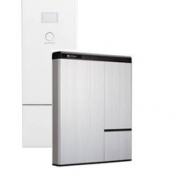
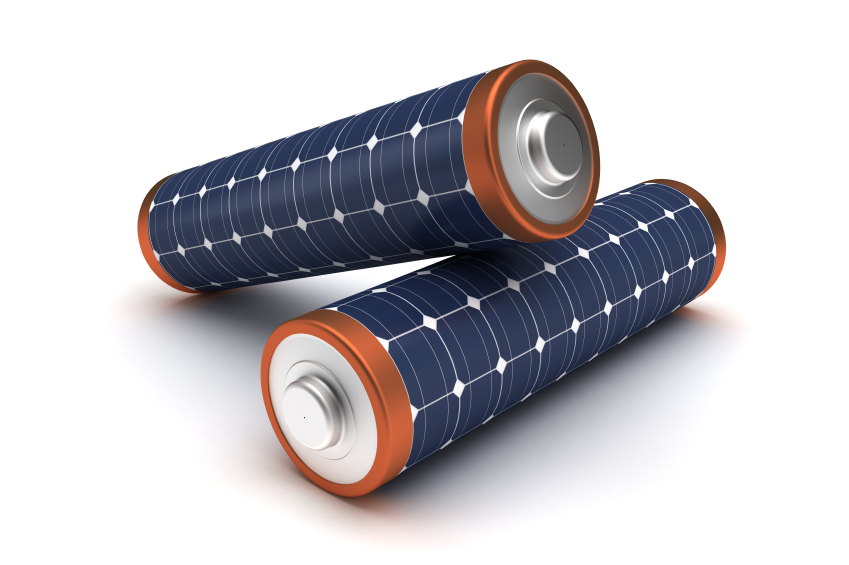
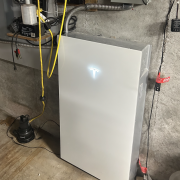
Two popular choices today are lithium batteries (typically lithium iron phosphate – LiFePO₄) and carbon batteries(also known as lead-carbon). Here’s how they compare:
Lithium Batteries
-
Higher energy density (more storage in a smaller footprint)
-
Faster charging and discharging
-
Round-trip efficiency often 90–95%+
-
Ideal for daily cycling and high-demand loads
Carbon Batteries
-
Improved performance over traditional lead-acid
-
Better partial state-of-charge performance than standard AGM/gel batteries
-
Round-trip efficiency typically 80–90%
-
Reliable for steady, moderate energy usage
Bottom line: Lithium batteries are generally more efficient and compact, while carbon batteries offer dependable performance with proven technology.
Lifespan & Cycle Life
Lithium
-
4,000–7,000+ cycles (depending on brand and usage)
-
Often 10–15+ years of service life
-
Minimal maintenance
Carbon
-
2,000–3,000 cycles (varies by depth of discharge)
-
Longer lifespan than traditional lead-acid
-
More tolerant of partial charging conditions
Bottom line: Lithium typically lasts longer and handles deeper discharges better.
Cost Considerations
Lithium
-
Higher upfront investment
-
Lower lifetime cost per cycle
-
Reduced maintenance costs
Carbon
-
Lower upfront cost
-
Cost-effective for budget-conscious projects
-
Strong value for off-grid and backup applications
Bottom line: Carbon batteries can offer a more affordable entry point, while lithium often delivers better long-term ROI.
Safety & Temperature Performance
Lithium (LiFePO₄)
-
Very stable chemistry
-
Built-in Battery Management Systems (BMS)
-
Performs well in varied temperatures (with proper installation)
Carbon
-
Extremely safe and stable
-
More tolerant of overcharging compared to traditional lead-acid
-
Performs well in colder environments
| Application | Lithium | Carbon |
|---|---|---|
| Daily solar cycling | ✅ Excellent | ✔️ Good |
| Off-grid homes | ✅ Excellent | ✅ Very Good |
| Budget-focused systems | ❌ Higher cost | ✅ More affordable |
| Long lifespan priority | ✅ Yes | ✔️ Moderate |
Which Battery Is Right for You?
The right choice depends on:
-
Your energy usage
-
Whether you’re grid-tied or off-grid
-
Budget goals
-
Space availability
-
Long-term ROI expectations
At SGE Solar, we design customized solar and battery systems tailored to your needs — whether you’re looking for premium lithium storage or cost-effective carbon battery solutions.
Ready for a Solar or Battery Quote?
Contact SGE Solar today to connect with a solar sales expert. We’ll help you compare options, design the right system, and provide a customized solar and/or battery quote.
Let’s power your home smarter.